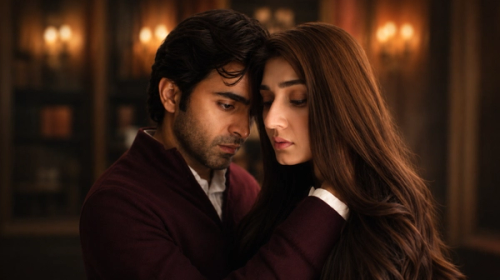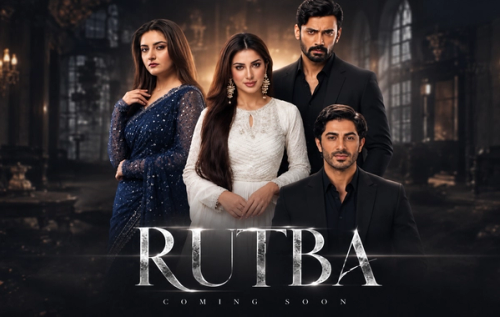
I've been watching Dar e Nijaat since the very first episode and can confidently say that Umera Ahmed has once again come up with a story which doesn't remain on the surface. The drama, written by Umera Ahmed, directed by Saqib Khan and produced by 3’s Entertainment with Sheheryar Munawar acting as one of the producers, is shown every Friday and Saturday at 8:00 PM on ARY Digital. It features Dur-e-Fishan Saleem as Zaryab, Sheheryar Munawar as Abu Bakar and Nameer Nawaz Khan as Zamil, with Sahar Hashmi, Romaisa Khan, Sania Saeed, Saba Hamid and a strong ensemble cast providing the supporting roles.
In my view, the true strength of this drama is the way it brings together faith, ambition, guilt and the pressures faced by Gen-Z without turning any of these into simple slogans. Allow me to explain the position of the story following Episode 7, the reasons why it has struck such a strong chord, and my idea of what Episode 8 might offer.

The Story So Far: A Clear Recap
The story begins in a society characterised by privilege and high expectations. Zaryab and Zamil are close friends and lead what could be described as a fairy-tale life on the surface. While Zaryab manages to gain a place at a top university in the United States, Zamil finds himself under the pressure of family demands and the need to keep up with his peers at the elite institutions. Although their relationship is warm and familiar, signs of trouble are already apparent.
When the early episodes are being presented, it becomes clear that the relationship between Zaryab and Zamil goes beyond what is normal. Following a baraat ceremony, Zaryab stays over at Zamil's house. The next day her grandmother asks about her absence and Zaryab does not reply. The way the scene is set out, with Zaryab washing her face and hands, makes it almost certain that there has been physical intimacy. Writer Umera Ahmed later gave confirmation of this implication when a viewer asked her directly and that confirmation put an end to the speculation for many people.
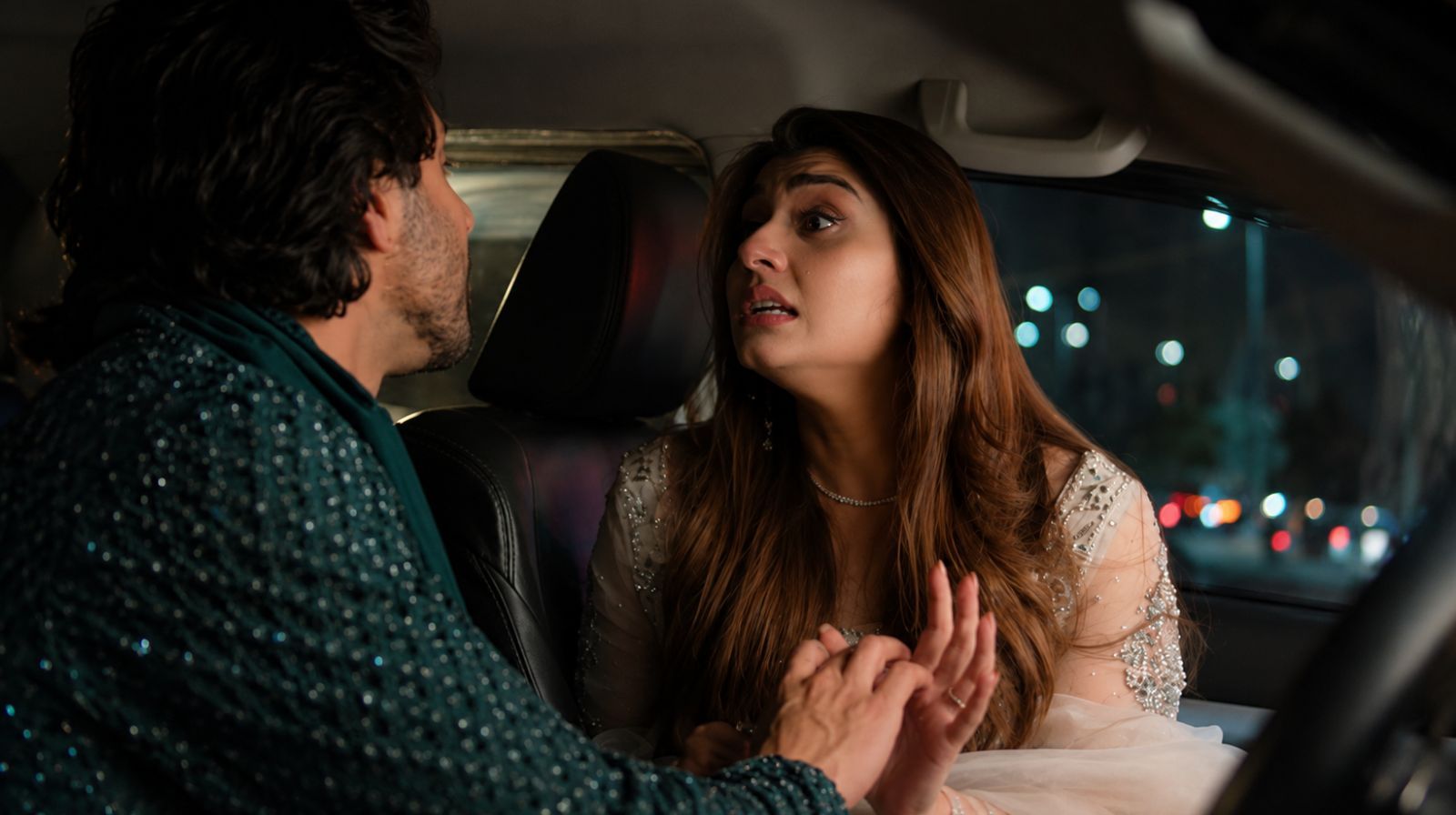
What that came next was even more significant. Zamil starts to pull away; he calls the night a mistake, becomes irritated whenever Zaryab is around him, and in the end goes over to the Tableeghi Jamaat. To me, this is one of the most interesting developments up to this point. A man who has been indulging in alcohol, drugs and emotional carelessness suddenly takes on a path of religious outreach. It is still unclear whether this represents true repentance or merely an escape, and it is precisely this ambiguity that keeps the story going.
At the same time, Abu Bakar's character moves with a calm and steady determination. He is portrayed as a thoughtful son who carries both his mother's exhaustion and his own sense of right and wrong. The way he interacts with Hamna brings about a different kind of difficulty... one that relates to reputation, vulnerability, and the subtle pressure that young women can exert on men who lend them assistance. In one especially powerful scene, Abu Bakar goes to the Quran and repeats a verse as he looks for the appropriate reply; to me that moment seemed to make the play's spiritual heart visible.
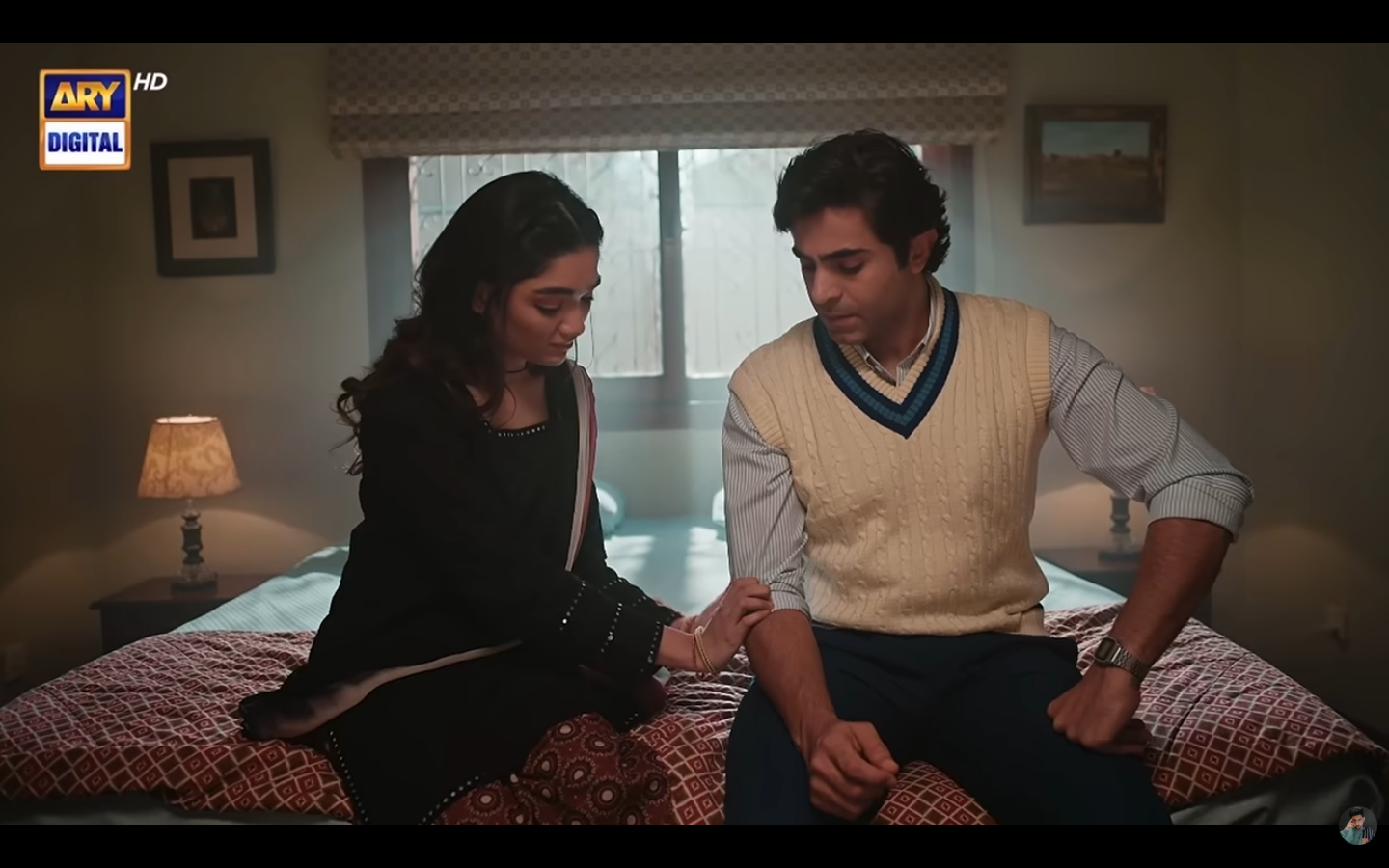
When Episode 7 was broadcast on 22 August 2026, the emotional gap between Zaryab and Zamil had increased. Zaryab seems to be stuck in denial, remaining in the same emotional area whereas Zamil has by now started to move in a different direction. The supporting characters keep on developing and expanding the world of the series, serving to remind us that each major decision in the story has repercussions that go beyond the three main characters.
Why the Drama Is Connecting with Viewers
I've seen so many Pakistani dramas that I can tell the difference between one that is just going viral and one that actually resonates with people. Dar e Nijaat belongs to the latter group. Individual episodes have gained over ten million views on the official ARY Digital YouTube channel, the first one alone surpassing ten million. The total views, including those of the soundtrack, had already reached about 110 million after only a few episodes had been released. The early rating on IMDb is 8.2.
What strikes me more than the statistics is the debate that the drama has provoked. People are talking about the way Gen-Z anxiety is depicted, the gap between parents and their children, the fact that some of the characters treat faith as optional until a crisis occurs, and the subtle strength of seeking advice when one's reputation is in question. Umera Ahmed's writing has always had this dual aspect... offering entertainment while also acting as a mirror. In this case, the mirror seems especially sharp.
The performances are maintaining their current level. Dur-e-Fishan Saleem gives Zaryab a restless energy which makes her both frustrating and familiar. Sheheryar Munawar's portrayal of Abu Bakar has a calm and composed air that stands in effective contrast to the more chaotic energy surrounding him. Nameer Nawaz Khan's Zamil is interesting exactly since he is difficult to define. Each time he appears I find that I am watching him closely.
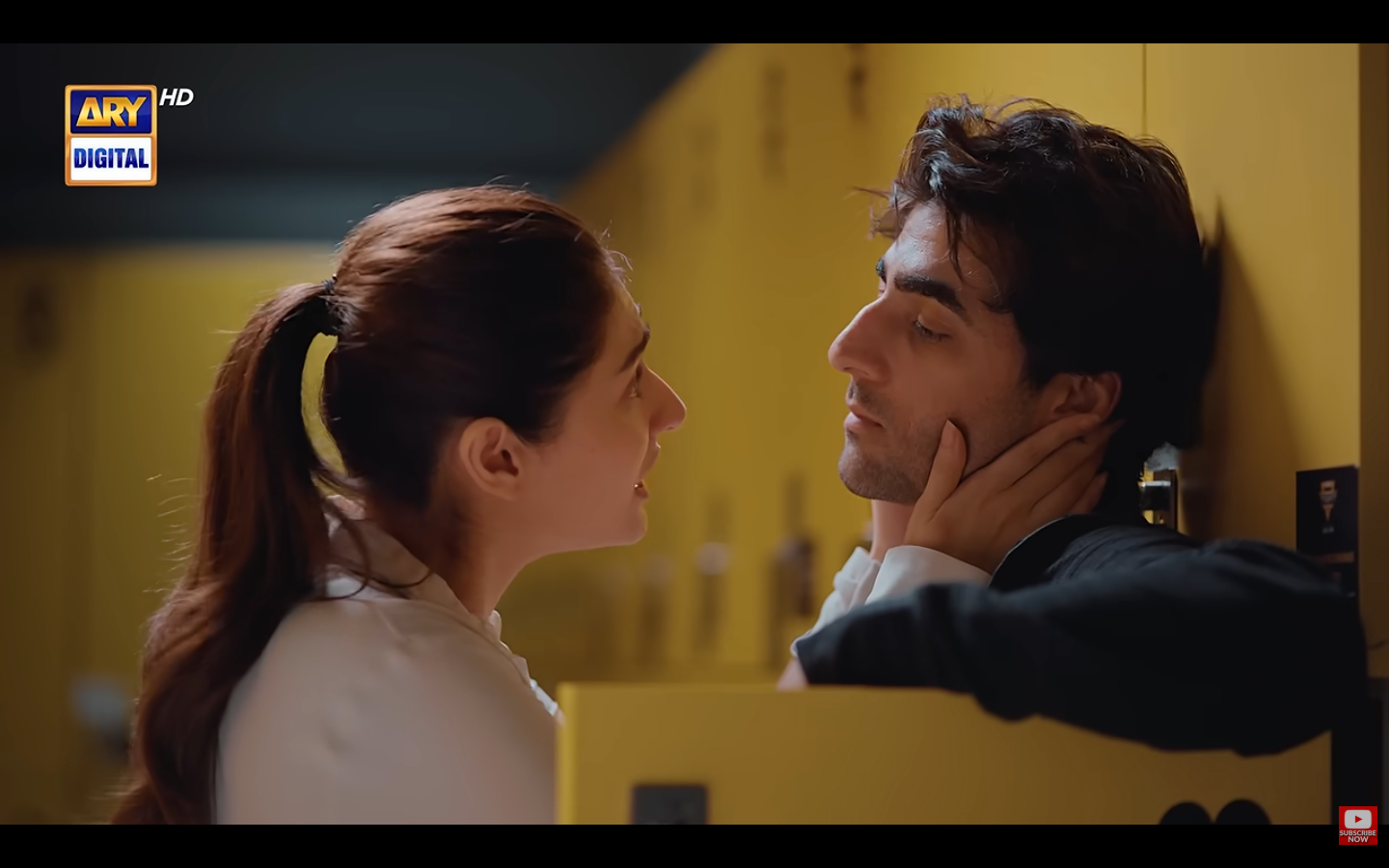
Episode 7 Observations and Episode 8 Predictions
Episode 7 increased the emotional distance between them. The fact that Zamil has decided to travel with the Tableeghi Jamaat still comes as a surprise to a great many people. While some spectators perceive it as genuine, others feel that it is an attempt to avoid the situation. Zaryab’s inability or refusal... to read the change in him remains one of the drama’s most pointed observations about certain social circles.
When it comes to Episode 8, I think the story will focus more on the consequences of that night and on the different routes that the three main characters are now pursuing. It should come as no surprise if Zamil's absence causes greater tension within Zaryab's home, or if Abu Bakar's difficulty with Hamna leads him to make a more definite moral decision. Since the drama has already demonstrated a preference for implication and the aftermath rather than for melodrama, I expect the developments to be steady and controlled rather than sudden.
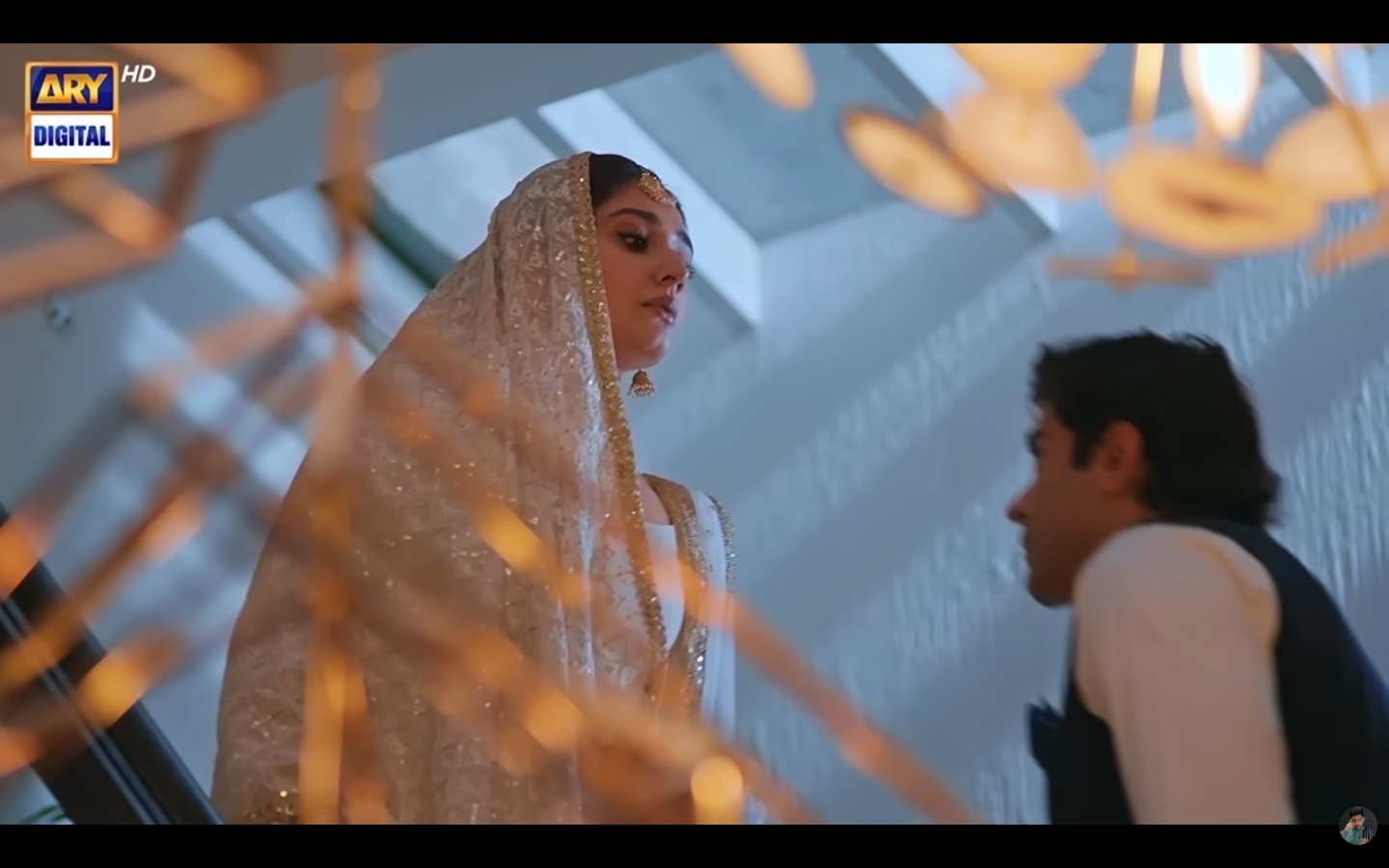
A version of the story that is in keeping with Umera Ahmed's usual style involves a slow development of Zaryab's self-awareness. The title itself, Dar e Nijaat, which translates as the door of repentance, indicates that the story as a whole is concerned with whether or not these characters will go through that door or will merely keep going around it. It is possible that Episode 8 starts to open the door a little further for at least one of them.
As the latest episodes hint, Zaryab and Abu Bakar’s eventual marriage is no longer a question of 'if,' but 'when.' The narrative clues are strengthening, perfectly aligning with the foreshadowing from the early promos. My prediction is that Zamil’s growing emotional detachment will soon push Zaryab to explore her deeper connection with Abu Bakar in the upcoming episodes.
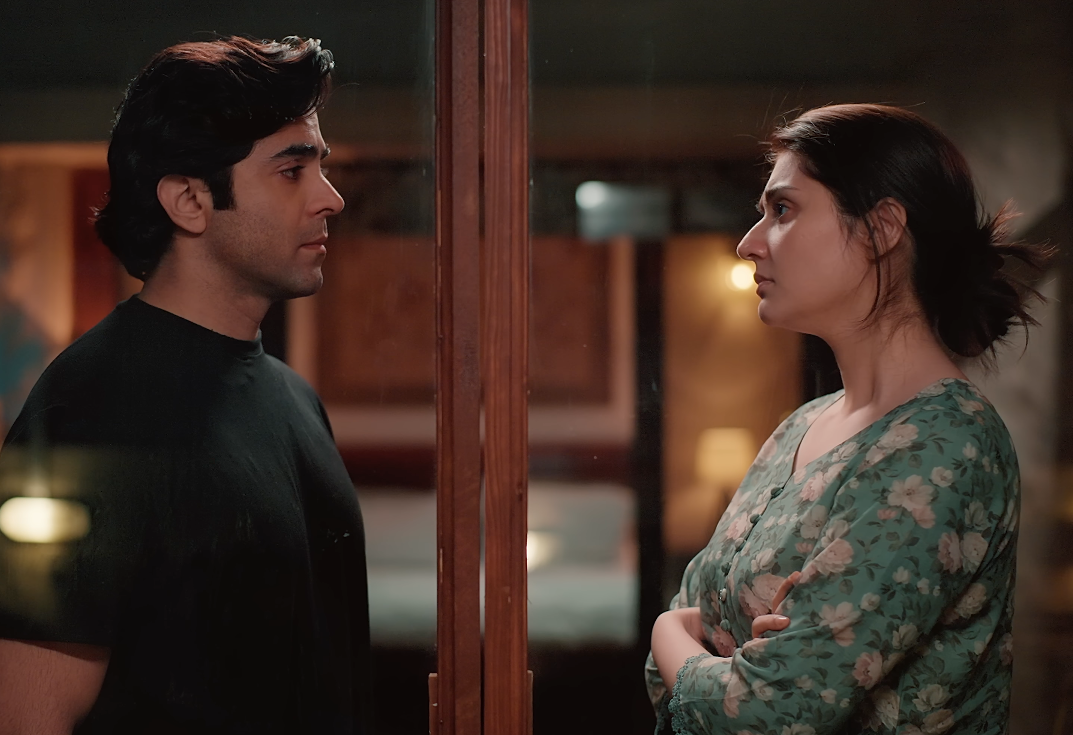
Certainly, these are still predictions; up to now the strength of this drama has been its unwillingness to rush towards a conclusion, and I appreciate that.
Where to Watch and How to Stay with the Story
The official episodes can be found on the ARY Digital YouTube channel, which is still the main and recommended source. If we want the complete context.. such as recaps, discussions about the characters, reminders regarding the schedule and continued analysis.. then Agahi Talks gathers all the conversation about the drama in one place.
Watch Dar e Nijaat Drama (Click Right Now)
Since you've been reading the series with me, you will already understand why this story seems different; it is not simply concerned with romance or with conflict, but also with the subtle price of the decisions made when young, with the pressure of expectation, and with the fact that repentance may still be possible even after having made serious mistakes.
I'll be looking closely at Episode 8. The characters have now come to a stage at which each of their decisions is important, and I think that the upcoming episodes will show how honestly they deal with the doors they have already opened and with those they might still decide to go through.
Which of these has struck you most: the spiritual undercurrent, the portrait of Gen-Z, or the careful manner in which the central relationships are falling apart? I should like to find out.